

★★★☆☆ Difficulty Level: Intermediate
Species: Camponotus sp. (Desert)
Description:
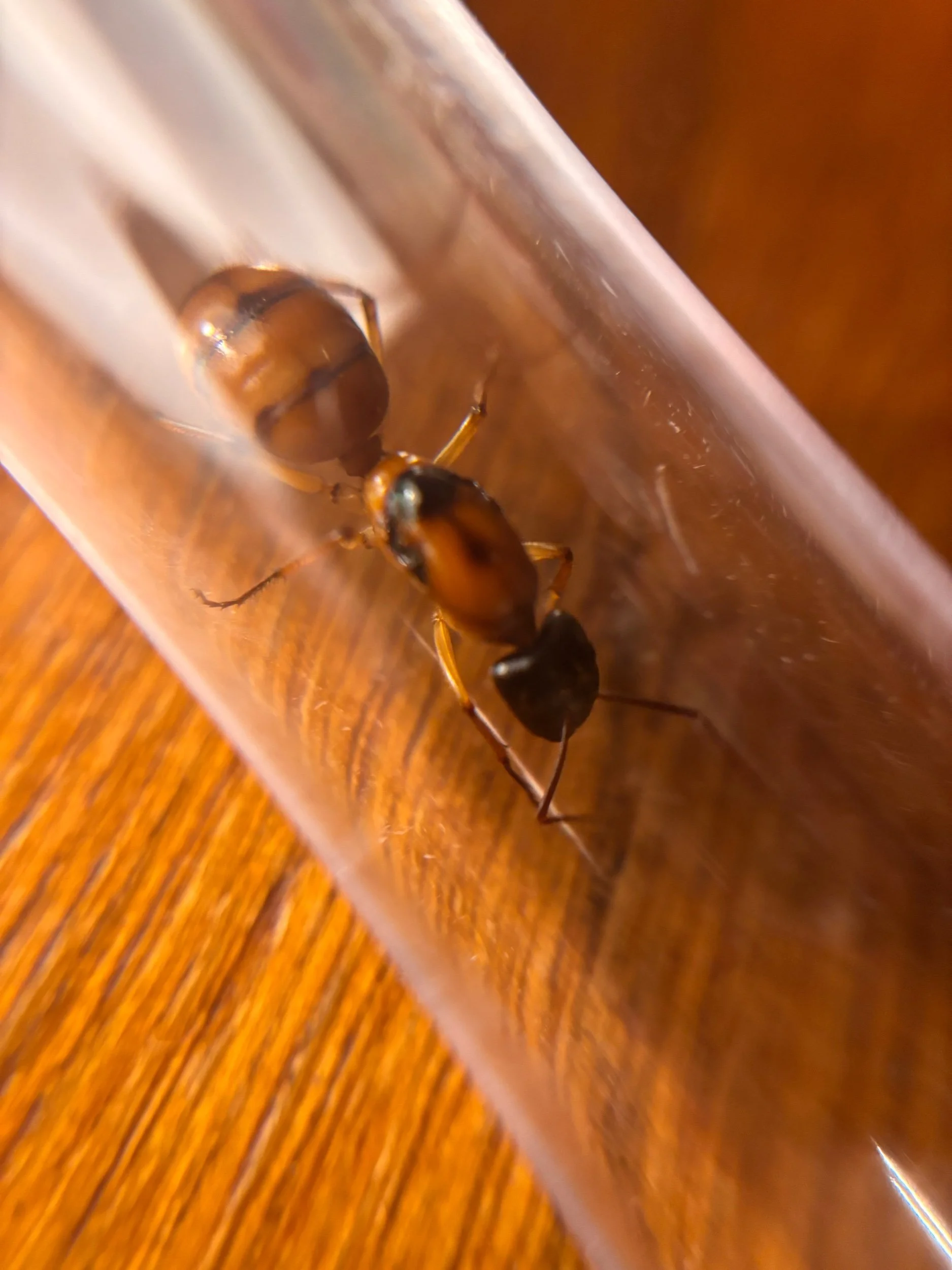
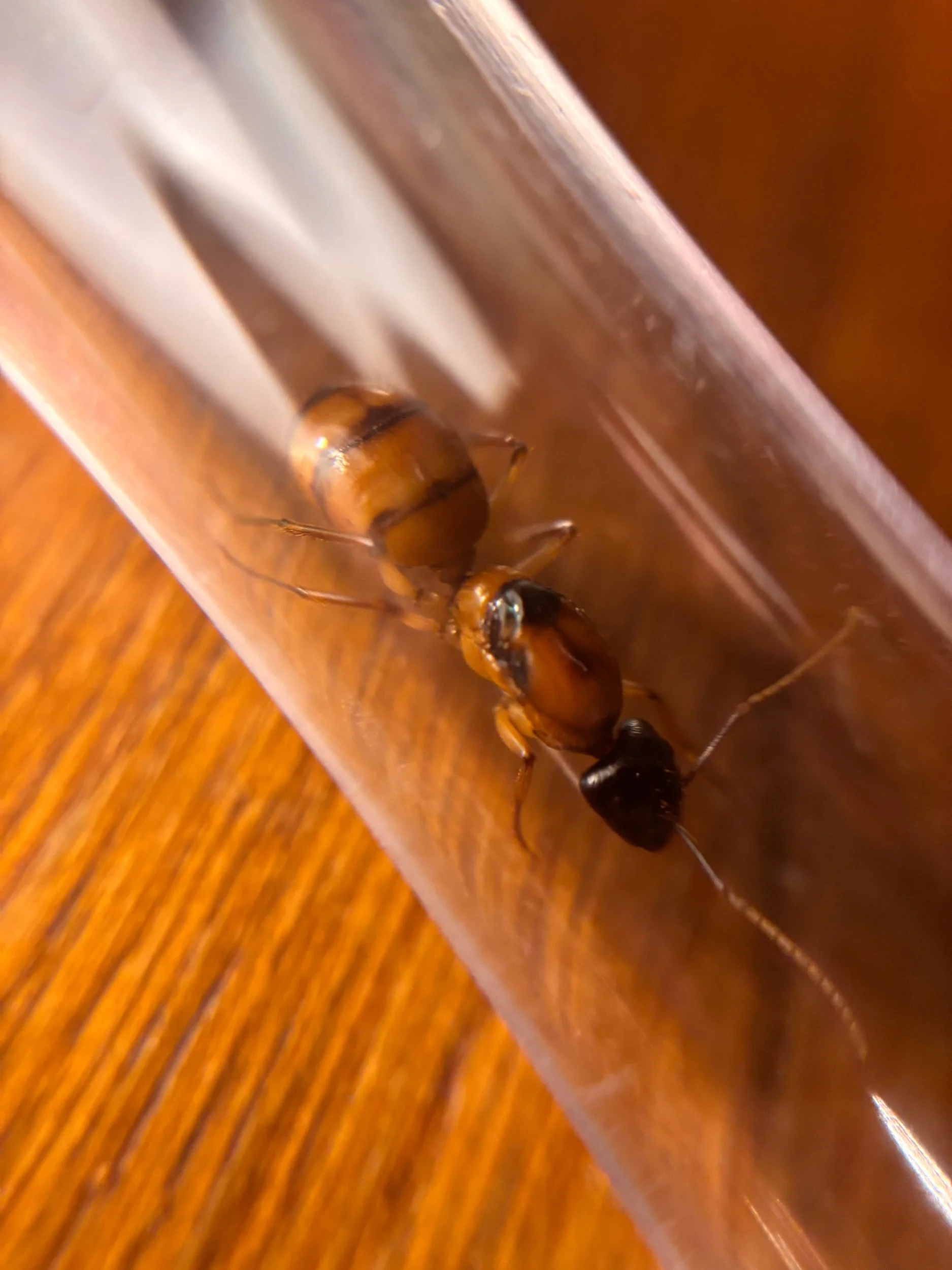
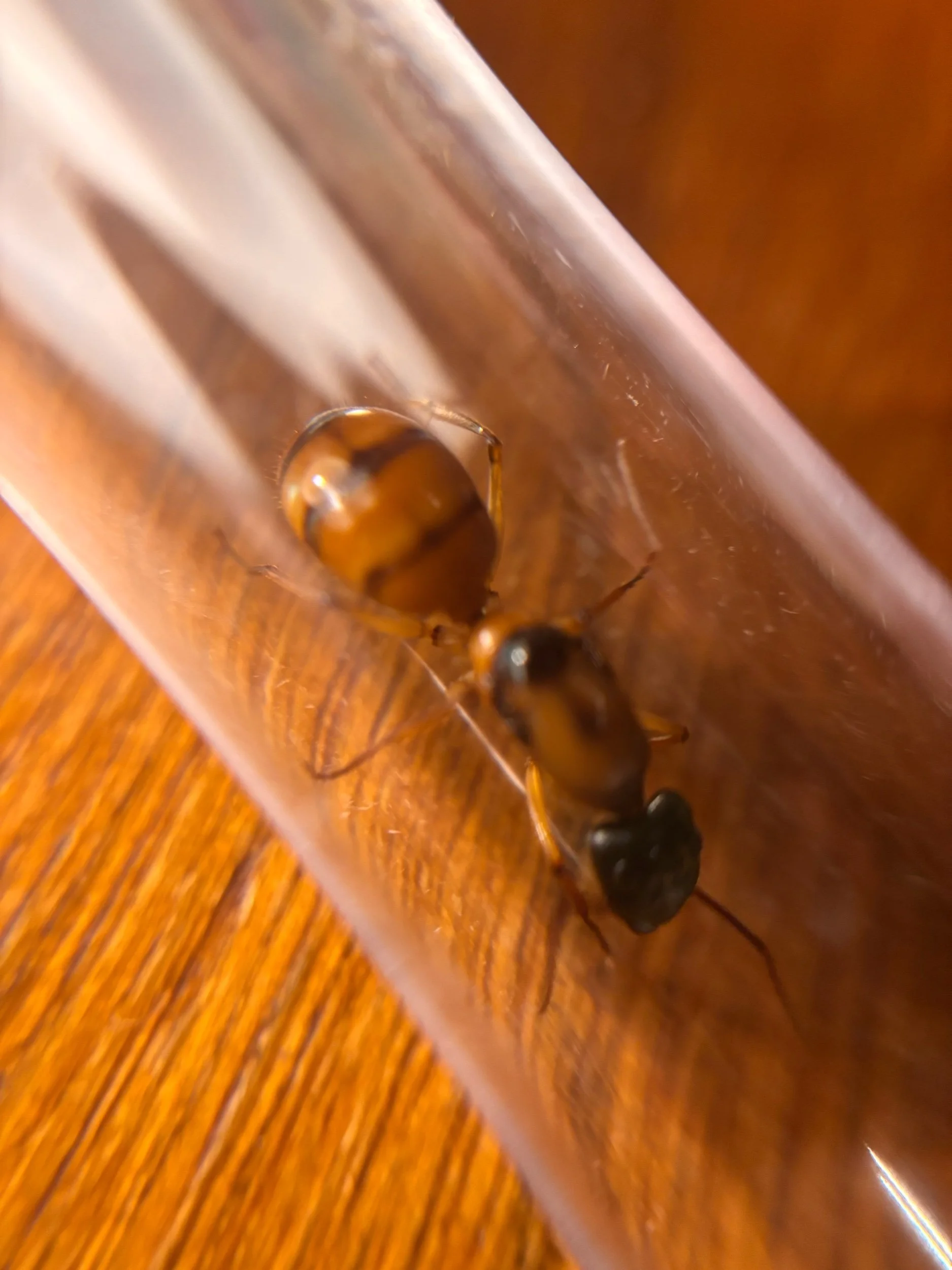
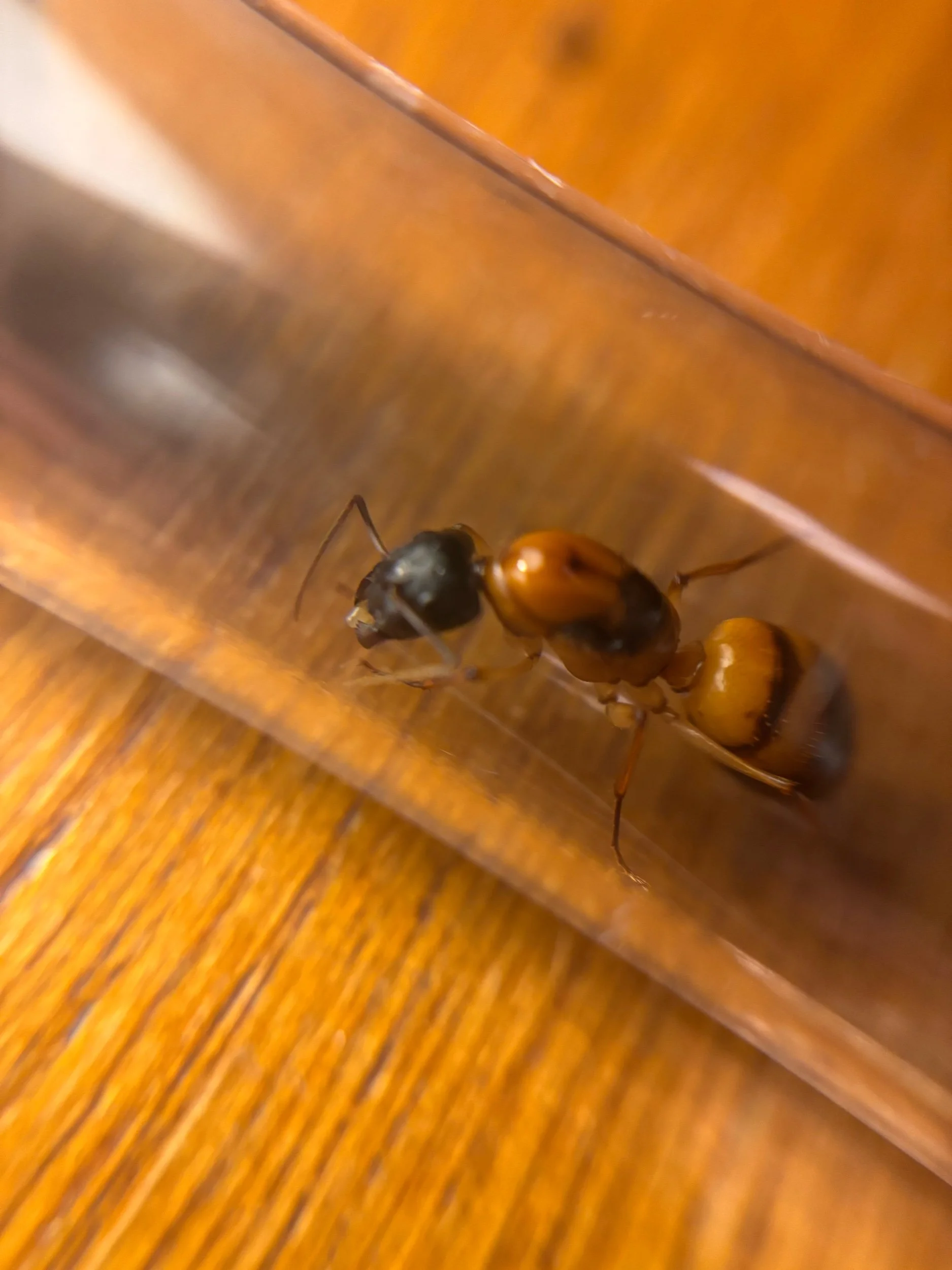
This unidentified huge desert Camponotus species closely resembles nigriceps-type ants but displays a more orange-toned body, giving it a distinctive and attractive appearance. There may be a more precise species identification; however, this has not yet been confirmed. With a large, robust queen and well-sized workers, this species is both visually impressive and well suited to display setups. Its desert origin suggests good adaptability to drier conditions.
Keeping Experience:
Keeping this Camponotus sp. is manageable and rewarding. Workers are steady and easy to observe, with consistent foraging and brood care once established. Colonies develop at a moderate pace, making them suitable for keepers who want a balance between activity and control. Their hardy nature and predictable behaviour make them a solid intermediate species.
Quick Care Guide:
Colony Founding Type: Claustral – queens rely on internal reserves until first workers emerge
Worker Size: ~6–12 mm
Queen Size: ~16–20 mm
Humidity: Low to moderate (drier nest preferred with a slightly humid chamber)
Housing: Test tube → formicarium
Substrate: Optional; sand or arid naturalistic setups recommended
Diet:
Carbohydrates: Always available once workers emerge
Protein: Insects 1–2× weekly
Colony Growth: Moderate
Ideal For:
✔ Intermediate keepers
✔ Desert or naturalistic setups
✔ Display-focused colonies
Guarantee:
Royal Ants is committed to providing healthy, high-quality ant colonies and queens to hobbyists and collectors. All queens are carefully inspected and shipped in optimal condition to ensure their wellbeing during transit. We guarantee that every queen is alive and in excellent health at the time of dispatch. In the unlikely event a queen arrives deceased, a refund will be issued upon receipt of clear photographic evidence on the day of delivery.
★★★☆☆ Difficulty Level: Intermediate
Species: Camponotus sp. (Desert)
Description:
This unidentified huge desert Camponotus species closely resembles nigriceps-type ants but displays a more orange-toned body, giving it a distinctive and attractive appearance. There may be a more precise species identification; however, this has not yet been confirmed. With a large, robust queen and well-sized workers, this species is both visually impressive and well suited to display setups. Its desert origin suggests good adaptability to drier conditions.
Keeping Experience:
Keeping this Camponotus sp. is manageable and rewarding. Workers are steady and easy to observe, with consistent foraging and brood care once established. Colonies develop at a moderate pace, making them suitable for keepers who want a balance between activity and control. Their hardy nature and predictable behaviour make them a solid intermediate species.
Quick Care Guide:
Colony Founding Type: Claustral – queens rely on internal reserves until first workers emerge
Worker Size: ~6–12 mm
Queen Size: ~16–20 mm
Humidity: Low to moderate (drier nest preferred with a slightly humid chamber)
Housing: Test tube → formicarium
Substrate: Optional; sand or arid naturalistic setups recommended
Diet:
Carbohydrates: Always available once workers emerge
Protein: Insects 1–2× weekly
Colony Growth: Moderate
Ideal For:
✔ Intermediate keepers
✔ Desert or naturalistic setups
✔ Display-focused colonies
Guarantee:
Royal Ants is committed to providing healthy, high-quality ant colonies and queens to hobbyists and collectors. All queens are carefully inspected and shipped in optimal condition to ensure their wellbeing during transit. We guarantee that every queen is alive and in excellent health at the time of dispatch. In the unlikely event a queen arrives deceased, a refund will be issued upon receipt of clear photographic evidence on the day of delivery.